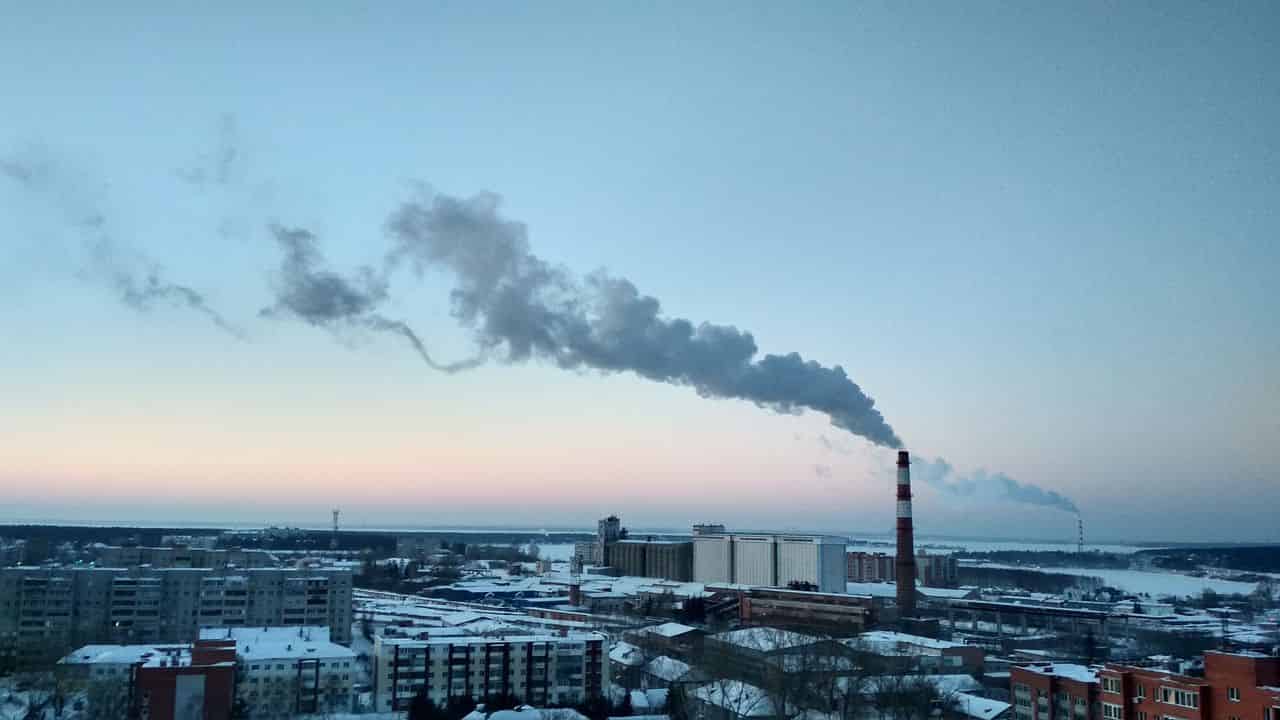
Climate change and air pollution are often discussed as separate environmental challenges, but they are closely connected. Rising global temperatures, changing weather patterns, and more frequent extreme weather events are not only affecting ecosystems and communities—they are also contributing to worsening air quality in many parts of the world.
As the climate continues to warm, conditions that promote the formation and accumulation of air pollutants are becoming more common. From longer heatwaves to larger wildfires, climate change is creating an environment where harmful pollutants can remain in the atmosphere for longer periods, leading to higher Air Quality Index (AQI) levels and greater health risks.
The Connection Between Climate Change and Air Quality
Climate change affects the atmosphere in ways that can directly influence air pollution. Higher temperatures speed up certain chemical reactions in the air, while changing weather patterns can alter how pollutants are dispersed or trapped near the ground.
In many regions, warmer conditions are increasing the frequency of days with poor air quality. Pollutants that once dispersed more easily can now accumulate under stagnant weather conditions, particularly during prolonged periods of heat.
Although climate change does not create all air pollutants directly, it often makes existing pollution problems worse by creating favorable conditions for their formation and concentration.
Why Rising Temperatures Matter
One of the most significant impacts of climate change is the increase in average global temperatures. Warmer air accelerates the chemical reactions that produce ground-level ozone, a harmful pollutant that contributes to smog.
Unlike the protective ozone layer high in the atmosphere, ground-level ozone can irritate the lungs, worsen asthma, and reduce lung function. During hot weather, ozone levels often rise significantly, causing AQI readings to increase.
As heatwaves become more frequent and intense due to climate change, many cities are experiencing more days with unhealthy ozone concentrations.
More Wildfires, More Air Pollution
Wildfires are becoming larger, more frequent, and more destructive in many regions around the world. Hotter temperatures, prolonged droughts, and drier vegetation create ideal conditions for fires to start and spread rapidly.
When wildfires burn, they release massive amounts of pollutants into the atmosphere, including fine particulate matter (PM2.5), carbon monoxide, and other harmful gases. These pollutants can travel hundreds or even thousands of kilometers from the fire itself, affecting air quality across entire regions.
Some of the major pollutants released during wildfires include:
- PM2.5 and PM10 particles
- Carbon monoxide (CO)
- Nitrogen oxides (NOx)
- Volatile organic compounds (VOCs)
- Smoke and soot particles
In many countries, wildfire smoke has become a major contributor to severe AQI events during summer months.
Heatwaves and Stagnant Air Conditions
Climate change is increasing both the frequency and duration of heatwaves. While heat itself can be dangerous, it also contributes to poor air quality by creating stagnant atmospheric conditions.
During a heatwave, high-pressure systems often trap air near the surface, preventing pollutants from dispersing. As emissions from vehicles, industries, and other sources continue to accumulate, pollution levels rise.
How Stagnant Air Worsens AQI
Under normal conditions, wind and changing weather patterns help dilute pollutants. During stagnant conditions, however, pollutants remain concentrated near the ground where people live and work.
This can lead to:
- Higher AQI readings
- Increased smog formation
- Elevated ozone levels
- Longer-lasting pollution episodes
As climate change contributes to more frequent heatwaves, these pollution events are becoming increasingly common in many urban areas.
Dust Storms and Changing Weather Patterns
In some regions, climate change is contributing to droughts and land degradation, which can increase the likelihood of dust storms. Dry soil and reduced vegetation make it easier for wind to lift particles into the atmosphere.
These airborne particles can travel long distances and significantly affect air quality. Dust storms not only reduce visibility but also increase concentrations of particulate matter that can irritate the respiratory system.
While dust storms are natural events, climate-related changes in temperature and rainfall patterns can make them more frequent or severe in certain areas.
Health Impacts of Climate-Driven Air Pollution
Poor air quality linked to climate change affects millions of people worldwide. Increased exposure to particulate matter, ozone, and wildfire smoke can contribute to a wide range of health problems.
Common health risks include:
- Asthma attacks and respiratory irritation
- Reduced lung function
- Cardiovascular disease
- Increased respiratory infections
- Greater risk for children and older adults
People with existing respiratory or heart conditions are often the most vulnerable during periods of poor air quality.
What Can Be Done?
Addressing climate-related air pollution requires both local and global action. Reducing greenhouse gas emissions can help slow climate change while also lowering many of the pollutants that affect air quality.
Individuals can protect themselves by monitoring AQI levels, limiting outdoor activities during pollution events, and using air purifiers indoors when necessary. At the same time, governments and industries can invest in cleaner energy, sustainable transportation, and pollution-control measures.
These efforts not only help combat climate change but also contribute to healthier air and improved public health.
Conclusion
Climate change is making air pollution worse in many parts of the world by increasing temperatures, intensifying wildfires, creating stagnant weather conditions, and altering natural environmental processes. These changes are contributing to higher AQI levels and more frequent air quality challenges for communities worldwide. As the climate continues to warm, addressing both climate change and air pollution together will be essential for protecting public health and ensuring cleaner air for future generations.