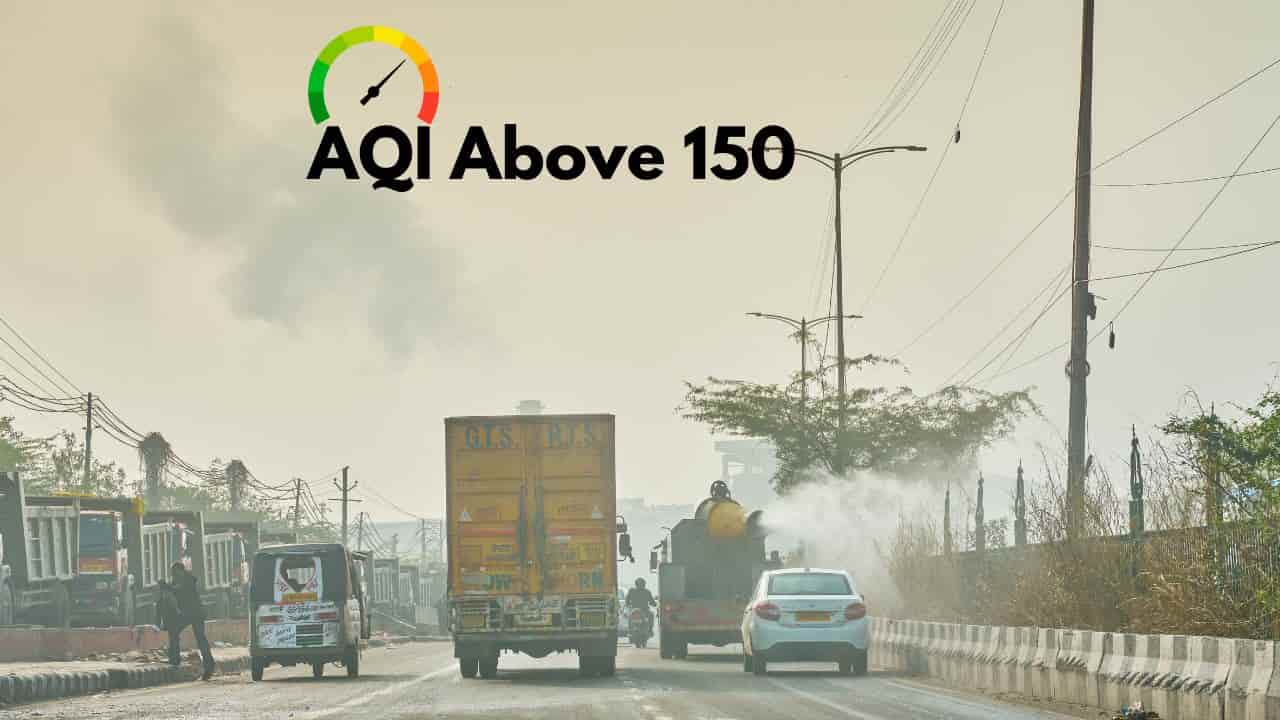
An Air Quality Index (AQI) above 150 is a clear warning sign that the air has become unhealthy. At this level, pollution can affect not only sensitive groups such as children, older adults, and people with respiratory conditions, but also healthy individuals who spend extended periods outdoors. Exposure to polluted air at these concentrations can lead to breathing difficulties, throat irritation, headaches, and reduced physical performance.
When AQI crosses 150, many people wonder whether they should stay indoors, wear a mask, exercise, or continue with their daily routine. The answer depends on the activity and the amount of time spent outside. Knowing what to do—and what to avoid—can help reduce your exposure to harmful pollutants and protect your health.
What Does an AQI Above 150 Mean?
An AQI between 151 and 200 is generally classified as unhealthy. At this level, pollutants such as PM2.5, PM10, ozone, and nitrogen dioxide are present in concentrations that can cause health effects in a larger portion of the population.
While a short walk outdoors may not immediately cause problems for everyone, prolonged exposure increases the amount of pollution inhaled by the body. The risks become even greater during physical activities that increase breathing rates, such as running, cycling, or outdoor sports.
Common Symptoms of Pollution Exposure
When AQI rises above 150, some people may begin experiencing symptoms even after relatively short exposure periods.
Common signs include:
- Coughing or throat irritation
- Shortness of breath
- Eye irritation or redness
- Headaches
- Fatigue or dizziness
- Worsening asthma or allergy symptoms
If symptoms become severe or persistent, medical advice should be sought promptly.
What You Should Do
The good news is that a few practical steps can significantly reduce your exposure to air pollution during high-AQI days.
Limit Time Outdoors
Reducing outdoor exposure is one of the most effective ways to protect yourself. If possible, postpone non-essential outdoor activities until air quality improves. When you do need to go outside, try to keep trips short and avoid areas with heavy traffic.
Wear a High-Quality Mask
If outdoor travel is unavoidable, consider wearing a properly fitted N95 or KN95 mask. These masks are designed to filter fine particulate matter and can reduce the amount of pollution entering your respiratory system.
Improve Indoor Air Quality
Polluted air can enter homes through doors, windows, and ventilation systems. Keeping windows closed and using a HEPA-filter air purifier can help maintain cleaner indoor air.
Some effective actions include:
- Run an air purifier in frequently used rooms
- Keep windows and doors closed during peak pollution hours
- Avoid smoking or burning candles indoors
- Monitor indoor ventilation carefully
These measures can help create a safer indoor environment when outdoor air quality is poor.
What You Shouldn’t Do
Just as important as taking precautions is avoiding activities that can increase your exposure to pollution.
Don’t Exercise Outdoors
Many people underestimate how much pollution they inhale during exercise. Physical activity increases breathing rate and causes more pollutants to reach deeper parts of the lungs.
When AQI exceeds 150, it is generally better to move workouts indoors. Activities such as home workouts, yoga, or gym sessions in filtered environments are safer alternatives.
Don’t Ignore AQI Updates
Air quality can change throughout the day depending on weather conditions, traffic patterns, and industrial activity. Relying solely on how the air looks can be misleading because harmful pollutants are often invisible.
Checking AQI forecasts regularly allows you to adjust plans and avoid unnecessary exposure during periods of particularly poor air quality.
Don’t Assume Everyone Is Equally Affected
Some individuals are much more vulnerable to pollution than others. Children, older adults, pregnant women, and people with respiratory or cardiovascular conditions should take extra precautions when AQI levels rise.
Even healthy individuals, however, should avoid prolonged outdoor exposure during unhealthy air quality conditions.
When Extra Caution Is Needed
Certain situations require additional care. If AQI levels continue rising toward 200 or remain elevated for several consecutive days, pollutant exposure can accumulate over time.
People with asthma, COPD, or heart disease should ensure they have access to prescribed medications and closely monitor symptoms. Parents should also consider reducing outdoor playtime for children when air quality remains unhealthy.
Long periods of exposure can increase health risks, making preventive measures even more important during extended pollution events.
Conclusion
An AQI above 150 is a signal to take air pollution seriously. While it does not mean you must stay indoors all day, it does require sensible precautions. Limiting outdoor exposure, wearing a quality mask, improving indoor air quality, and avoiding outdoor exercise can significantly reduce health risks. By monitoring AQI levels and adjusting daily activities accordingly, you can better protect yourself and your family during periods of unhealthy air quality.