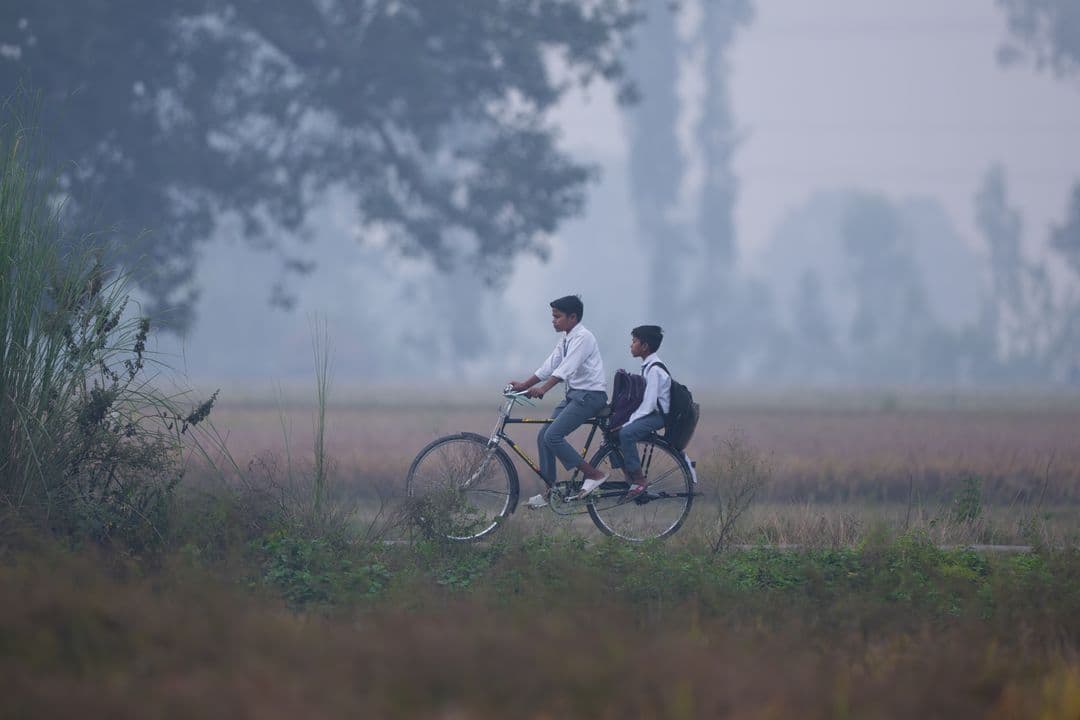
Every winter, when the Air Quality Index (AQI) reaches “very poor” or “severe” levels, one question quickly becomes a topic of public debate: Should schools remain open or switch to online classes? Parents worry about their children’s health, teachers raise concerns about prolonged exposure, and education authorities must balance safety with learning continuity.
There is no universal answer. Closing schools may reduce children’s exposure during outdoor travel and activities, but it also disrupts learning and does not completely eliminate exposure if indoor air quality is also poor. Health experts generally agree that the decision should depend on AQI levels, the duration of pollution, and whether schools can provide a safe indoor environment.
Why Children Are More Vulnerable
Children are more sensitive to air pollution than adults because their lungs and immune systems are still developing. They also breathe more air relative to their body weight, meaning they inhale a greater amount of pollutants during outdoor activities.
High levels of PM2.5, PM10, and ground-level ozone can irritate the respiratory system, trigger asthma attacks, and reduce lung function. Repeated exposure during childhood may also affect long-term respiratory health.
For these reasons, schools need to take extra precautions when AQI reaches unhealthy levels, especially for younger students.
Outdoor Activities Become Riskier
Even if classrooms remain open, outdoor exposure can significantly increase pollution intake. Walking to school, waiting for buses, morning assemblies, sports periods, and playground activities all increase the time children spend breathing polluted air.
During severe pollution episodes, many schools cancel outdoor activities even if physical classes continue.
What Happens Around the World?
Many cities have introduced policies that allow schools to modify schedules when air pollution reaches dangerous levels. Instead of immediately shutting down all schools, authorities often begin by restricting outdoor activities, followed by hybrid or online learning if pollution persists.
In Delhi, schools have been closed or shifted to online classes multiple times under the Graded Response Action Plan (GRAP) when AQI entered the “Severe” or “Severe Plus” category. For example:
- November 2024: Physical classes for students up to Class V were suspended after Delhi’s AQI entered the severe category, with schools instructed to switch to online learning.
- November 2024 (Stage IV GRAP): The Delhi government expanded restrictions by suspending physical classes up to Class IX and Class XI, while senior classes continued with precautions.
In recent years, parents’ associations have also repeatedly urged authorities to shift schools online during prolonged smog events, arguing that children’s health should take priority when AQI remains hazardous.
Should Schools Close Completely?
Closing schools is not always the only solution. Experts often recommend a phased approach based on pollution severity and local conditions.
If school buildings have good ventilation systems, air filtration, and the ability to keep students indoors, continuing classes with additional precautions may be reasonable for shorter pollution events. However, prolonged exposure during severe AQI days may require temporary online or hybrid learning.
Measures Schools Can Take
Before considering complete closure, schools can reduce students’ exposure by:
- Cancelling outdoor sports and assemblies.
- Keeping students indoors during breaks.
- Monitoring AQI throughout the day.
- Using air purifiers in classrooms where available.
- Informing parents about changing air quality conditions.
These measures can reduce exposure while allowing education to continue safely.
What Parents Should Consider
Parents should not rely solely on whether schools remain open. Monitoring daily AQI forecasts and considering a child’s individual health is equally important.
Children with asthma, allergies, or other respiratory conditions may require additional precautions even when schools are operating normally. If AQI remains in the severe range for several days, parents may wish to discuss temporary alternatives with their child’s school.
Simple precautions include limiting outdoor play after school, encouraging mask use during commutes if appropriate, and maintaining good indoor air quality at home.
Conclusion
Whether schools should close during severe air pollution depends on more than just a single AQI reading. The duration of pollution, the age and health of students, school infrastructure, and local government guidance all play important roles. While temporary online learning may be appropriate during extreme pollution events, reducing children’s exposure through indoor precautions and informed decision-making remains the primary goal. As cities continue to face seasonal air pollution, protecting children’s health while ensuring uninterrupted education will remain a key challenge.