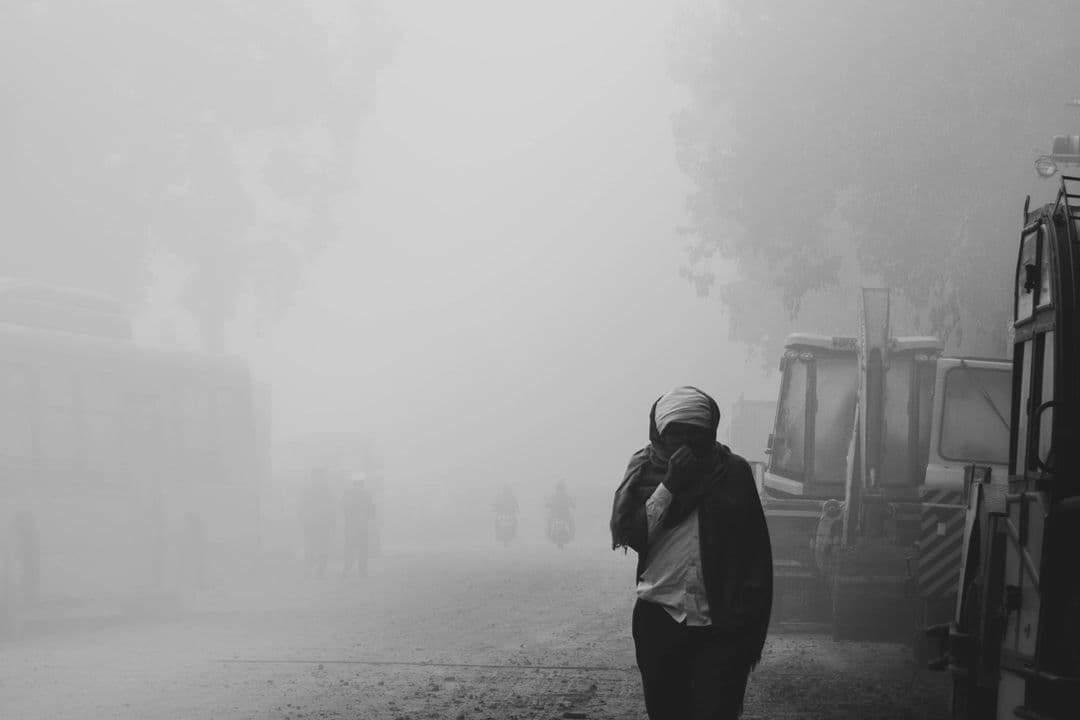
As the monsoon ends and temperatures begin to fall, attention will once again turn to India’s winter air pollution problem. Experts expect northern cities, especially Delhi-NCR and parts of Uttar Pradesh, Haryana, Punjab and Rajasthan, to face repeated periods of poor to severe air quality during the 2026–27 winter.
However, this does not mean every winter day will be heavily polluted. Air quality will depend on wind speed, temperature, rainfall, local emissions and crop-residue burning. Delhi has recorded some improvement in its average air quality during the first five months of 2026, but specialists warn that winter weather can quickly reverse these gains by trapping pollution close to the ground.
Why Experts Expect Winter AQI to Deteriorate
Winter air pollution is not caused by one single source. It develops when emissions from transport, industries, construction, road dust, waste burning and household fuel use combine with weather conditions that prevent pollutants from dispersing.
Cold and Calm Conditions Will Trap Pollution
During winter, cooler air remains near the surface while a warmer layer may form above it. This temperature inversion acts like a lid, limiting vertical air movement and keeping PM2.5, PM10 and harmful gases close to where people breathe.
Low wind speeds can make the situation worse. Even when daily emissions remain similar, poor ventilation can cause pollution concentrations to rise rapidly. A CAQM expert report explains that Delhi-NCR pollution peaks in winter largely because meteorological conditions reduce atmospheric dispersion, not simply because all pollution sources suddenly increase.
Stubble Burning May Cause Short but Intense Spikes
Agricultural residue burning in Punjab and Haryana is expected to remain an important seasonal factor during October and November. Its contribution changes significantly from day to day depending on the number of fires, wind direction and whether smoke is transported toward Delhi-NCR.
Experts increasingly emphasize that stubble burning is only part of the problem. Its impact may be substantial during specific episodes, but transport emissions, secondary particulate formation, industries, dust and local combustion continue throughout the winter.
The major factors experts will monitor include:
- Paddy-residue fire counts in northern states
- Wind direction between Punjab, Haryana and Delhi
- Temperature inversions and mixing height
- Local traffic, industrial and construction emissions
- Rainfall and western disturbances
Could This Winter Be Better Than Previous Years?
There are reasons for cautious optimism. CAQM’s 2026 action plan aims for a 15% improvement in Delhi’s annual average AQI, a 15% reduction in PM2.5 and a 20% reduction in PM10 compared with its chosen baseline. Planned measures cover public transport, cleaner vehicles, construction dust, waste sites, industrial emissions and expanded monitoring.
Delhi is also expected to benefit from improved pollution forecasting. A new emission inventory being developed with institutions including ARAI, IIT Delhi, TERI and IITM Pune is intended to produce more detailed information about where pollution originates and improve early-warning systems.
These developments could help authorities act earlier, but experts are unlikely to promise a clean winter. Previous forecasting systems were able to identify many “very poor or worse” episodes, yet forecasting alone cannot reduce emissions. It must be followed by timely restrictions and strong enforcement.
Which Indian Cities May Face the Greatest Risk?
Delhi-NCR will remain the main focus, but poor winter AQI is not limited to the capital. Cities across the Indo-Gangetic Plain are particularly vulnerable because dense populations, industrial activity, traffic and agricultural emissions combine with stagnant winter weather.
Areas likely to experience recurring pollution episodes include:
- Delhi, Noida, Ghaziabad, Gurugram and Faridabad
- Lucknow, Kanpur, Varanasi and other cities in Uttar Pradesh
- Patna and several urban centres in Bihar
- Chandigarh and cities across Punjab and Haryana
- Kolkata and parts of eastern India during stagnant conditions
Mumbai, Pune, Bengaluru and other cities may also experience temporary AQI deterioration, although their weather patterns and dominant pollution sources differ from those in northern India.
What Should Residents Expect?
Experts broadly expect periods of moderate air to be interrupted by poor, very poor or severe pollution episodes, particularly from late October through January. The worst days are likely to occur when emissions remain high while winds weaken and temperature inversions strengthen.
Residents should monitor official AQI forecasts, avoid strenuous outdoor exercise during severe pollution, keep indoor air cleaner and use a properly fitted N95 mask when extended outdoor exposure is unavoidable.
Conclusion
India’s air quality this winter may show some improvement in average terms if emission-control plans are properly implemented. However, experts still expect dangerous pollution spikes across Delhi-NCR and the wider Indo-Gangetic Plain.
The final severity will depend on weather, crop burning, local emissions and enforcement. Cleaner annual averages would represent progress, but preventing repeated severe-AQI days will require sustained reductions in pollution at its source rather than temporary emergency measures alone.