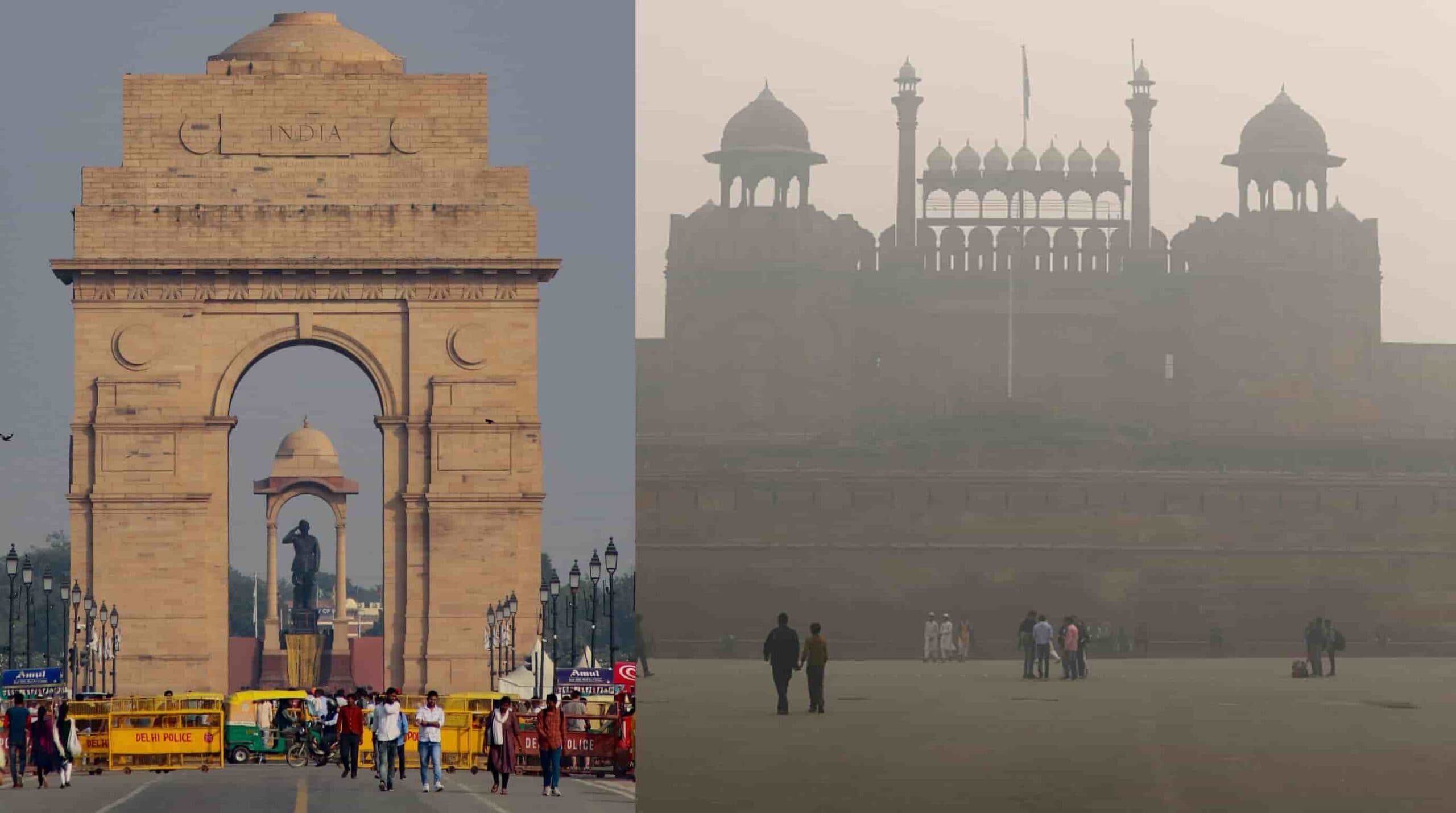
Have you ever checked an air quality app and noticed that one part of your city has a significantly different Air Quality Index (AQI) than another? It can seem surprising, especially when the locations are only a few kilometers apart. After all, if they’re in the same city, shouldn’t the air quality be roughly the same?
In reality, air pollution is rarely distributed evenly across an urban area. Traffic patterns, industrial activity, weather conditions, and even the layout of neighborhoods can cause AQI levels to vary considerably from one location to another. Understanding these differences can help people make better decisions about where and when to spend time outdoors.
Air Pollution Is Not Spread Evenly
Many people assume that pollution covers a city like a blanket, affecting all neighborhoods equally. However, air pollutants are constantly moving and changing based on local conditions. As a result, some areas may experience much higher pollution levels than others at the same time.
For example, a residential neighborhood with parks and open spaces may have cleaner air than a busy commercial district packed with vehicles and construction activity. Even within a few streets, AQI readings can differ depending on nearby pollution sources.
This uneven distribution is one reason why modern air quality networks use multiple monitoring stations across a city rather than relying on a single sensor.
The Role of Local Pollution Sources
One of the biggest reasons for AQI differences within a city is the presence of local pollution sources. Areas located near major roads, industrial zones, or construction sites often experience higher pollutant concentrations than quieter neighborhoods.
Common local sources of pollution include:
- Heavy traffic and vehicle emissions
- Industrial facilities and factories
- Construction and demolition activities
- Diesel generators
- Waste burning and biomass burning
People living close to these sources may experience poorer air quality even when citywide AQI levels appear moderate.
Traffic Can Create Pollution Hotspots
Road traffic is one of the most significant contributors to urban air pollution. Vehicles release pollutants such as PM2.5, nitrogen dioxide, and carbon monoxide, particularly in congested areas.
Busy intersections, highways, and commercial districts often develop what are known as pollution hotspots. In these locations, AQI can be noticeably higher than in nearby residential neighborhoods with lighter traffic.
During rush hours, pollution concentrations may increase rapidly around major roads. This is why air quality near a highway can be significantly worse than in a park located just a few kilometers away.
Distance Matters
Pollution levels often decrease as you move farther away from the source. A neighborhood directly adjacent to a busy roadway may record much higher AQI readings than another area located several blocks away.
Trees, open spaces, and lower traffic volumes can further contribute to cleaner air in certain parts of the city.
Weather and Wind Affect AQI Locally
Weather conditions play a major role in determining how pollutants move through a city. Wind can carry pollution away from one area while concentrating it in another. Similarly, temperature, humidity, and atmospheric pressure can influence how pollutants behave.
On windy days, pollution may disperse more evenly across a region. During calm conditions, pollutants can accumulate in specific neighborhoods, causing AQI readings to rise.
How Geography Influences Air Quality
The physical layout of a city can also affect pollution levels. Areas located in valleys or low-lying regions may trap pollutants more easily than elevated locations. Tall buildings can create “street canyons” that restrict airflow and prevent pollutants from dispersing efficiently.
As a result, neighborhoods with different geographical characteristics may experience different AQI levels even when they are relatively close together.
Monitoring Stations May Show Different Readings
AQI values are based on measurements taken by monitoring stations or air quality sensors. Since each station measures pollution in its immediate surroundings, readings can vary depending on where the sensor is located.
A monitoring station near a highway may detect higher pollution levels than one located in a residential area with fewer emission sources. This does not mean one reading is wrong—it simply reflects the air quality conditions at that specific location.
For this reason, many air quality platforms provide neighborhood-level AQI data rather than relying solely on citywide averages.
What This Means for Residents
Understanding local AQI differences can help people reduce exposure to pollution. Checking air quality information specific to your neighborhood is often more useful than relying on a citywide average.
If you have flexibility in where you exercise, walk, or spend time outdoors, choosing locations with lower pollution levels can make a meaningful difference. Parks, green spaces, and areas away from major traffic corridors often have better air quality than heavily congested zones.
Simple choices such as avoiding busy roads during peak traffic hours can also help reduce daily exposure to harmful pollutants.
Conclusion
AQI can vary significantly across the same city because air pollution is influenced by local emission sources, traffic patterns, weather conditions, geography, and monitoring locations. While citywide AQI provides a useful overview, neighborhood-level readings often give a more accurate picture of the air you are actually breathing. By understanding why these differences occur, residents can make smarter decisions to reduce exposure and better protect their health during periods of poor air quality.