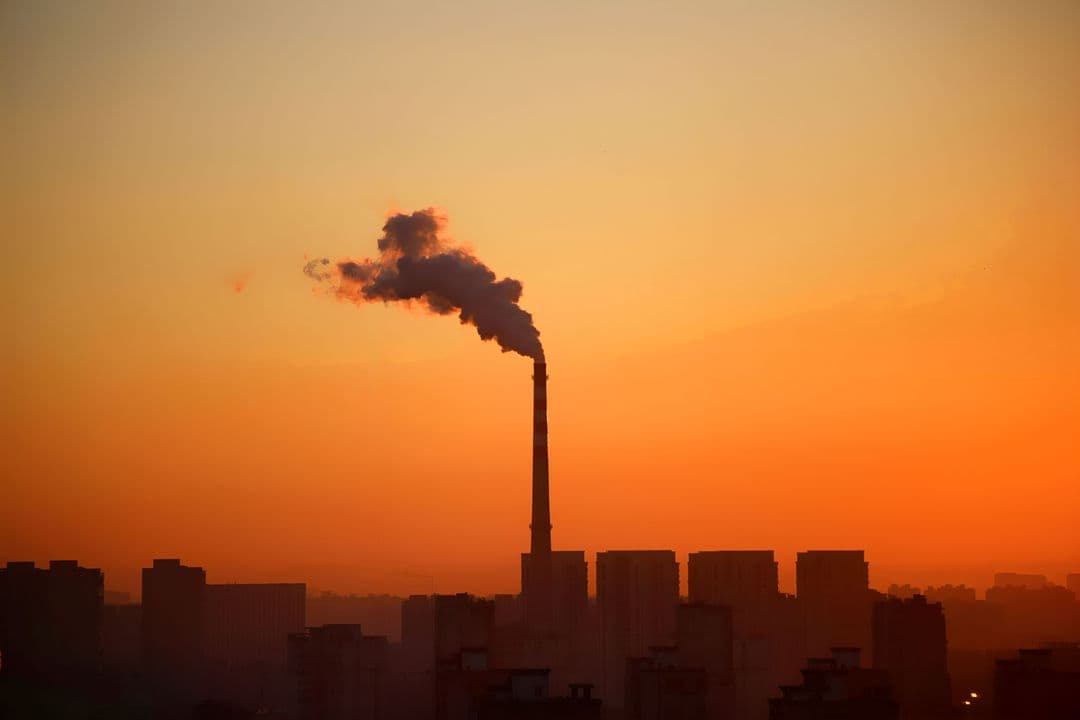
India faces several forms of air pollution, but PM2.5 remains one of the most serious and difficult pollutants to control. These microscopic particles are far smaller than the width of a human hair and can remain suspended in the air for long periods. Because of their tiny size, they can travel deep into the lungs and may even enter the bloodstream.
PM2.5 pollution affects both large cities and rural areas. Traffic, industries, construction dust, crop burning, household fuels, and seasonal weather conditions all contribute to the problem. Unlike visible smoke or dust, PM2.5 is often difficult to notice without an air-quality monitor, which makes daily exposure easy to underestimate.
What Makes PM2.5 So Dangerous?
PM2.5 refers to particulate matter with a diameter of 2.5 micrometres or smaller. These particles may contain soot, metals, chemicals, organic compounds, and other harmful materials produced by combustion and industrial activity.
Larger dust particles are usually trapped in the nose or throat, but PM2.5 can reach the deepest parts of the respiratory system. Long-term exposure is associated with serious health concerns, including reduced lung function and an increased risk of heart and respiratory diseases.
Common short-term effects may include:
- Coughing, throat irritation, and breathing discomfort
- Eye irritation and headaches
- Worsening asthma and allergy symptoms
- Reduced ability to exercise outdoors comfortably
The health impact depends on pollution concentration, exposure duration, age, and existing medical conditions. Children, older adults, and people with heart or lung problems are especially vulnerable.
PM2.5 Is Not Always Visible
One reason PM2.5 is difficult to manage is that polluted air does not always look dangerous. A city may appear relatively clear while fine-particle levels remain unhealthy. During winter, haze may make pollution visible, but harmful particles can also remain present on days with better visibility.
This means people may continue outdoor exercise, travel, or keep windows open without realising that air quality is poor. Regularly checking the Air Quality Index can therefore provide a more reliable picture than judging the sky by appearance alone.
Why India Produces So Much Fine-Particle Pollution
India’s PM2.5 problem does not come from a single source. It is created by many sectors operating at the same time, which makes control more complicated. Pollution generated in one district can also travel to neighbouring cities and states.
Major sources include:
- Vehicle exhaust and road traffic
- Coal-fired power plants and industrial emissions
- Construction activity and road dust
- Burning of crop residue, waste, wood, and coal
- Diesel generators and small commercial units
- Cooking with solid fuels in poorly ventilated homes
Different sources dominate in different locations. Traffic may have a larger influence near busy roads, while biomass burning or household fuels may play a greater role in rural and semi-urban areas.
Seasonal Conditions Make the Problem Worse
PM2.5 levels often rise sharply during winter because colder air and low wind speeds trap pollutants close to the ground. Temperature inversion can prevent polluted air from moving upward and dispersing.
In northern India, this seasonal effect can combine with road traffic, industrial emissions, firecracker smoke, crop-residue burning, and local dust. The result is a prolonged pollution episode rather than a problem caused by only one activity.
Why Reducing PM2.5 Is So Difficult
Policies often focus on individual pollution sources, but PM2.5 requires coordinated action across transport, energy, industry, agriculture, construction, and waste management. Reducing emissions in one sector may not produce a major improvement if other sources continue at the same level.
Another challenge is enforcement. Rules on construction dust, vehicle emissions, waste burning, and industrial pollution may exist, but consistent implementation can vary between locations. Fast urban growth also increases electricity demand, vehicle ownership, construction, and waste generation.
Effective long-term action should include:
- Expanding reliable public transport and cleaner vehicles
- Enforcing industrial emission standards
- Reducing open waste and biomass burning
- Supporting cleaner household cooking fuels
- Controlling dust at construction sites and roads
- Increasing real-time air-quality monitoring
Temporary restrictions during severe AQI days can reduce exposure, but they cannot replace permanent emission reduction.
What Individuals Can Do During High PM2.5 Days
People cannot solve the wider PM2.5 problem alone, but they can reduce personal exposure. Checking daily air-quality updates is especially important for people who exercise outdoors or have respiratory conditions.
On highly polluted days, people should limit strenuous outdoor activity, keep windows closed during peak pollution periods, and use a well-fitted N95-type mask when outdoor exposure is unavoidable. Air purifiers with HEPA filters may help reduce indoor particle levels when used in closed rooms.
Households can also reduce indoor pollution by avoiding smoking, limiting incense or candle burning, using kitchen exhaust systems, and preventing waste burning near the home.
Conclusion
PM2.5 remains India’s biggest air-pollution challenge because it is dangerous, widespread, difficult to see, and produced by many different sources. Seasonal weather conditions can trap these particles and create severe pollution episodes, especially in densely populated regions. Meaningful improvement will require long-term cooperation between governments, industries, communities, and individuals, along with stronger enforcement and cleaner alternatives across major sectors.