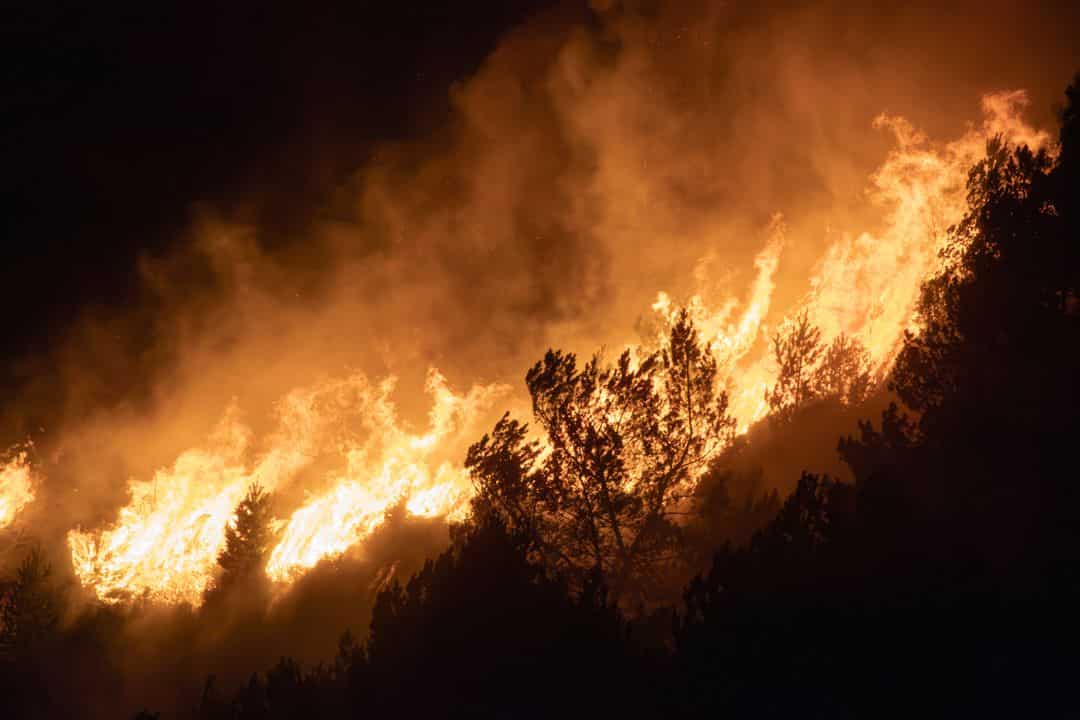
Canadian wildfire smoke is once again affecting air quality across large parts of North America. From major Canadian cities to communities across the United States, millions of people are seeing hazy skies, receiving air quality alerts, and experiencing unhealthy AQI levels. Even regions located hundreds of miles away from active wildfires are being impacted as smoke travels long distances through the atmosphere.
The return of widespread wildfire smoke highlights a growing environmental challenge. As wildfire seasons become longer and more intense, smoke-related air pollution is affecting larger populations and creating significant public health concerns.
Why Are Canadian Wildfires Producing So Much Smoke?
Several factors are contributing to increasingly severe wildfire seasons across Canada.
Hotter Temperatures and Drier Forests
Rising temperatures can dry out forests, grasslands, and vegetation, making them more vulnerable to ignition. During prolonged heat waves, moisture levels drop significantly, allowing fires to spread more quickly and burn over larger areas.
Drought Conditions
Many wildfire-prone regions experience periods of below-average rainfall. Dry vegetation acts as fuel, helping fires grow rapidly once they begin. In some cases, drought conditions can persist for months, increasing the risk of large-scale wildfires.
Strong Winds
Wind plays a major role in both wildfire behavior and smoke transport. Strong winds can push fires across vast areas while carrying smoke thousands of miles from its source. This explains why cities far from active fires can still experience poor air quality.
How Wildfire Smoke Impacts AQI
Wildfire smoke contains a mixture of harmful pollutants, but the most concerning is PM2.5, or fine particulate matter smaller than 2.5 micrometers in diameter. These particles are small enough to enter deep into the lungs and may even reach the bloodstream.
Common pollutants found in wildfire smoke include:
- PM2.5
- PM10
- Carbon monoxide
- Nitrogen oxides
- Volatile organic compounds (VOCs)
As concentrations of these pollutants increase, AQI levels can rise rapidly. Areas that normally experience moderate air quality may suddenly move into unhealthy or very unhealthy categories during major smoke events.
Why Smoke Travels So Far
Unlike many local pollution sources, wildfire smoke can be transported long distances by atmospheric wind currents. Smoke released into higher layers of the atmosphere may travel across provinces, states, and international borders before descending closer to ground level.
Because of this, millions of people can be exposed to wildfire-related pollution without being anywhere near the actual fires. During major Canadian wildfire events, smoke has repeatedly spread across large sections of North America, affecting both urban and rural communities.
Health Risks of Wildfire Smoke
Poor air quality caused by wildfire smoke can affect nearly everyone, but some groups face higher risks than others. Children, older adults, pregnant women, and individuals with respiratory or cardiovascular conditions are particularly vulnerable.
Short-term exposure may cause:
- Coughing and throat irritation
- Eye discomfort and redness
- Headaches
- Wheezing
- Shortness of breath
- Increased asthma symptoms
Longer exposure to elevated PM2.5 levels can place additional stress on the lungs and heart. According to the World Health Organization (WHO), fine particulate pollution remains one of the leading environmental health risks worldwide.
How to Protect Yourself During Wildfire Smoke Events
When AQI levels rise because of wildfire smoke, taking a few precautions can help reduce exposure and protect your health.
Monitor Local AQI Levels
Check air quality forecasts regularly, especially during wildfire season. AQI conditions can change quickly depending on weather patterns and fire activity.
Reduce Outdoor Exposure
Limit outdoor exercise and prolonged outdoor activities when air quality reaches unhealthy levels. Physical activity increases the amount of polluted air inhaled into the lungs.
Improve Indoor Air Quality
Keep windows and doors closed when smoke levels are high. If available, use a HEPA air purifier to reduce indoor particle concentrations.
Wear a High-Quality Mask
N95 masks can help filter fine particles and offer additional protection when outdoor exposure cannot be avoided.
What This Means for the Future
The return of Canadian wildfire smoke is a reminder that air quality is increasingly influenced by large-scale environmental events. Wildfires that occur hundreds of miles away can still have a direct impact on daily life, public health, and AQI levels across an entire continent.
As climate conditions continue to influence wildfire activity, smoke-related air pollution may become a more common seasonal challenge. Understanding how wildfire smoke affects AQI and following air quality updates can help individuals make informed decisions to reduce exposure and stay healthy during future smoke events.
For millions of people across North America, monitoring AQI is no longer just about local pollution sources—it has become an essential tool for tracking the far-reaching effects of wildfire smoke.