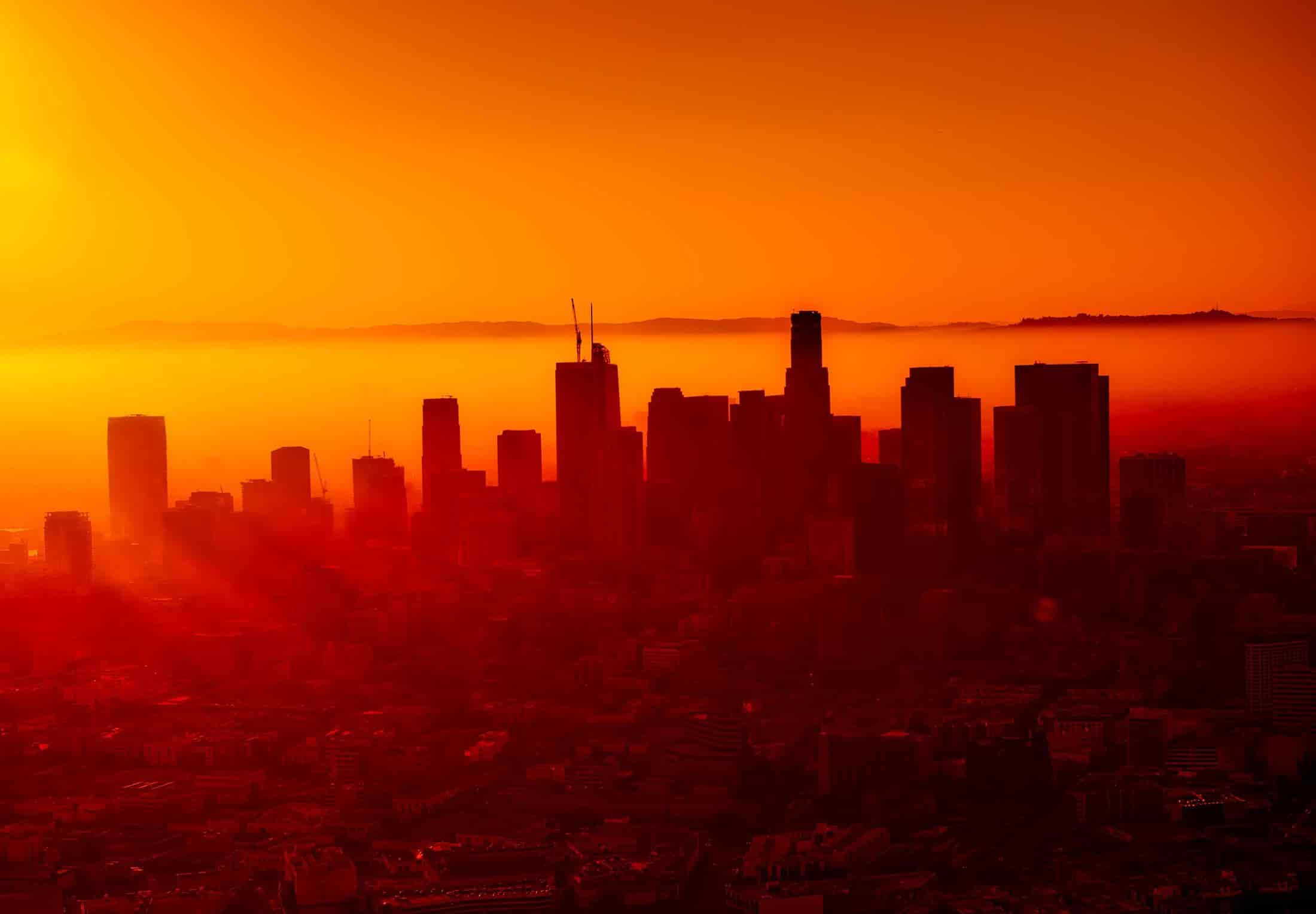
Heatwaves are often associated with scorching temperatures, dehydration, and increased energy consumption. However, one of the lesser-known consequences of prolonged heat is its impact on air quality. As temperatures rise, the atmosphere undergoes changes that can significantly worsen air pollution, leading to higher Air Quality Index (AQI) readings and greater health risks for millions of people.
In many regions, heatwaves and poor air quality frequently occur at the same time, creating a dangerous combination for public health. While most people understand the immediate dangers of extreme heat, fewer realize that hot weather can intensify the formation and accumulation of harmful pollutants in the air. Understanding the connection between heatwaves and air pollution is essential for protecting yourself during periods of extreme weather and deteriorating air quality.
Understanding the Relationship Between Heatwaves and Air Pollution
A heatwave is generally defined as an extended period of unusually high temperatures, often lasting several days or even weeks. During these events, atmospheric conditions can become more favorable for the formation and concentration of pollutants, causing air quality to decline significantly.
Under normal conditions, winds and changing weather patterns help disperse pollutants. During a heatwave, however, stagnant air masses often develop, trapping pollutants close to the ground. As a result, harmful substances remain concentrated in the breathing zone where people live, work, and travel.
At the same time, increased sunlight and higher temperatures accelerate certain chemical reactions in the atmosphere. These reactions contribute to the formation of pollutants such as ground-level ozone, which can have serious effects on human health and the environment.
Why High Temperatures Increase AQI Levels
The Air Quality Index reflects the concentration of pollutants present in the atmosphere. During heatwaves, several factors combine to push AQI values higher than usual.
One major reason is that heat speeds up chemical reactions involving pollutants emitted by vehicles, industrial facilities, power plants, and other sources. These reactions produce secondary pollutants that would otherwise form more slowly under cooler conditions.
In addition, hot weather often coincides with weaker wind patterns and reduced atmospheric mixing. Without sufficient movement of air, pollutants accumulate rather than disperse, causing AQI levels to rise over time.
The Role of Ground-Level Ozone
Ground-level ozone is one of the pollutants most strongly influenced by heat. Unlike the protective ozone layer high in the atmosphere, ground-level ozone forms when nitrogen oxides (NOx) and volatile organic compounds (VOCs) react in the presence of sunlight.
During heatwaves, stronger sunlight and higher temperatures create ideal conditions for ozone formation. As a result, ozone concentrations can increase rapidly, especially in urban and suburban areas with heavy traffic and industrial activity.
Elevated ozone levels can cause respiratory irritation, reduce lung function, and worsen conditions such as asthma. Long-term exposure has also been linked to broader cardiovascular and respiratory health concerns.
Pollutants Commonly Affected by Heatwaves
Several major pollutants can increase during prolonged periods of extreme heat:
- Ground-level ozone (O₃)
- Fine particulate matter (PM2.5)
- Coarse particulate matter (PM10)
- Nitrogen dioxide (NO₂)
- Volatile organic compounds (VOCs)
- Secondary aerosols formed through atmospheric reactions
The combination of these pollutants often results in significantly higher AQI readings during heatwave events.
How Heatwaves Create Stagnant Air Conditions
Heatwaves are frequently associated with high-pressure weather systems. These systems suppress cloud formation and reduce atmospheric movement, creating stable conditions that trap pollutants near the surface.
Normally, warm air rises and mixes with cooler air at higher altitudes, helping disperse pollutants. During certain heatwave conditions, a phenomenon known as a temperature inversion can develop. In an inversion, a layer of warm air acts like a lid over cooler air below, preventing pollutants from dispersing vertically.
This trapped pollution can accumulate for days, particularly in densely populated urban areas. As emissions continue from vehicles, industries, and other sources, air quality can deteriorate rapidly.
Urban Areas Face Greater Risks
Cities often experience what is known as the urban heat island effect. Concrete, asphalt, and buildings absorb and retain heat throughout the day, causing urban temperatures to remain higher than surrounding rural areas.
The urban heat island effect not only intensifies heatwaves but also contributes to worsening air quality. Higher temperatures accelerate ozone formation, while dense traffic and industrial activity provide a constant source of pollution.
As a result, major cities frequently experience some of the highest AQI readings during periods of extreme heat.
The Health Impact of Heat and Air Pollution Together
Heatwaves and air pollution each pose significant health risks on their own. When they occur simultaneously, their combined effects can place considerable stress on the human body.
High temperatures force the body to work harder to regulate internal temperature through sweating and increased blood circulation. At the same time, polluted air places additional strain on the respiratory and cardiovascular systems. This combination can be particularly dangerous for vulnerable populations.
Research has shown that hospital admissions often increase during periods when extreme heat and poor air quality occur together. Respiratory illnesses, cardiovascular complications, dehydration, and heat-related conditions become more common during these events.
People Most at Risk
Certain groups are especially vulnerable to the combined effects of heat and pollution:
- Children and adolescents
- Older adults
- Pregnant women
- Individuals with asthma or COPD
- People with cardiovascular disease
- Outdoor workers and athletes
For these individuals, even short periods of exposure can result in significant health impacts.
Climate Change Is Making the Problem Worse
Scientists have observed that climate change is increasing the frequency, intensity, and duration of heatwaves in many parts of the world. As extreme heat events become more common, the conditions that contribute to poor air quality are also becoming more frequent.
Longer heatwaves provide more opportunities for ozone formation, pollutant accumulation, and wildfire activity. In some regions, wildfire smoke has become a major contributor to poor AQI levels during hot and dry seasons.
The interaction between climate change, heatwaves, and air pollution highlights the need for both long-term environmental policies and short-term public health measures.
Wildfires and Smoke Pollution
Heatwaves often create dry conditions that increase the likelihood of wildfires. These fires release enormous quantities of particulate matter, carbon monoxide, and other harmful pollutants into the atmosphere.
Smoke can travel hundreds or even thousands of kilometers, affecting air quality far from the fire itself. In some cases, wildfire smoke becomes the primary reason for severe AQI readings during summer months.
Communities located near wildfire-prone regions may therefore face a double challenge: extreme heat combined with dangerous levels of smoke pollution.
How to Protect Yourself During Heatwave-Related Pollution Events
When high temperatures and poor air quality occur together, taking preventive measures becomes especially important. Reducing exposure can help lower the risk of heat-related illnesses and pollution-induced health problems.
Monitoring both temperature forecasts and AQI updates allows individuals to make informed decisions about outdoor activities and daily routines.
Some practical steps include:
- Check AQI and weather forecasts regularly
- Limit outdoor activities during the hottest hours of the day
- Avoid strenuous exercise when pollution levels are high
- Stay hydrated and seek cool indoor environments
- Use air conditioning or air purifiers when available
- Wear a properly fitted N95 or KN95 mask during severe pollution events
- Follow medical advice if you have respiratory or cardiovascular conditions
Combining heat safety practices with air pollution precautions provides the best protection during these challenging conditions.
Looking Ahead: Why Awareness Matters
Many people view heatwaves and air pollution as separate environmental issues. In reality, they are closely connected through complex atmospheric processes that can significantly affect public health. As temperatures rise, the likelihood of poor air quality events often increases, creating additional risks for communities around the world.
Understanding this relationship allows individuals, policymakers, and public health agencies to respond more effectively. Better forecasting systems, cleaner transportation options, reduced emissions, and increased public awareness can all help reduce the impacts of heatwave-driven air pollution.
Conclusion
Heatwaves do more than make outdoor conditions uncomfortable—they can actively worsen air pollution and push AQI levels into unhealthy or even hazardous categories. Through increased ozone formation, stagnant atmospheric conditions, and intensified chemical reactions, extreme heat creates an environment where pollutants accumulate and become more harmful.
As climate change contributes to more frequent and intense heatwaves, understanding the connection between temperature and air quality becomes increasingly important. By monitoring AQI levels, taking precautions during heat events, and supporting efforts to reduce emissions, individuals can better protect their health while contributing to cleaner and healthier communities.