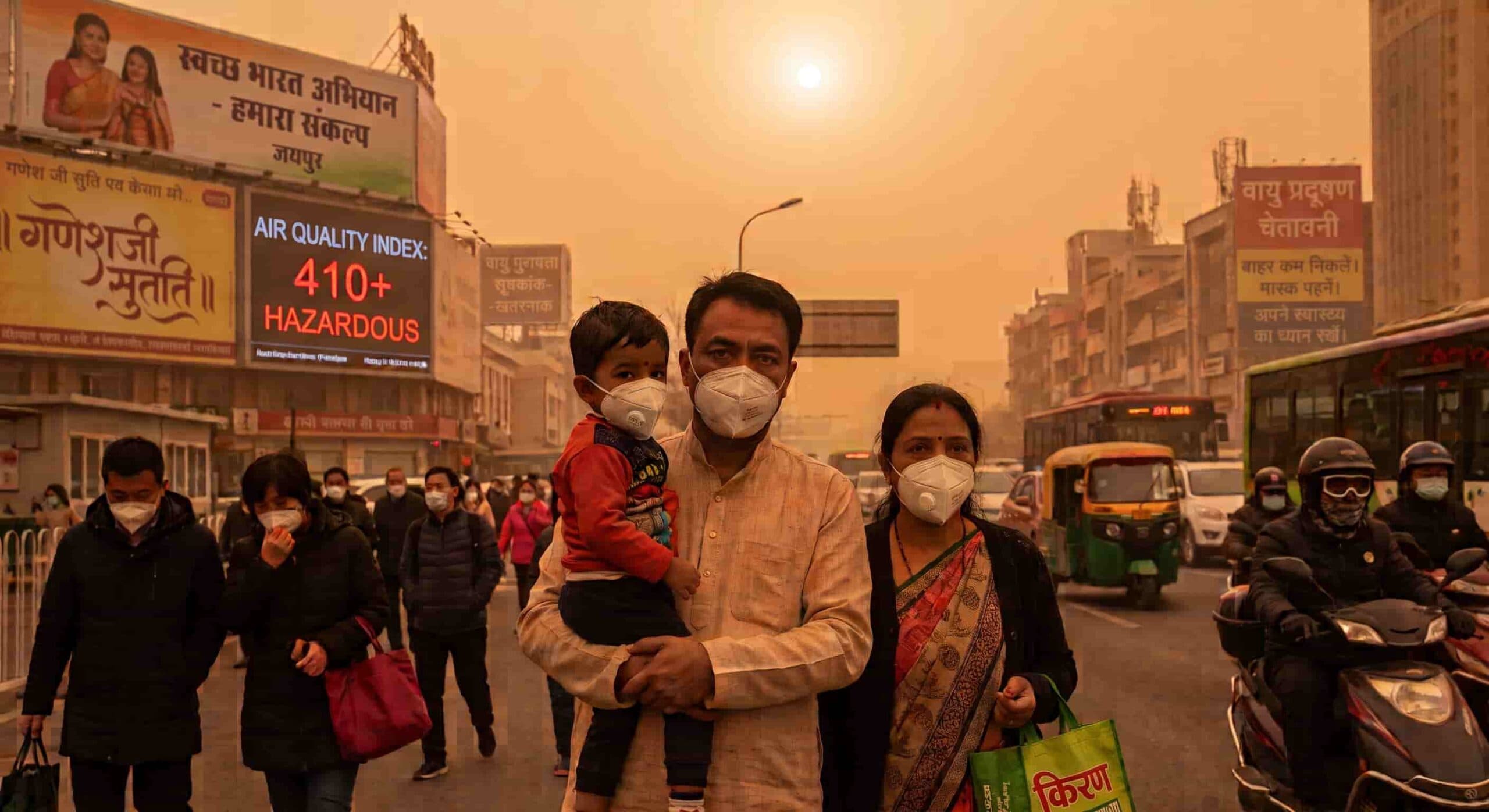
Air pollution has become one of the most significant environmental health challenges facing urban populations today. In many cities, periods of severe air pollution occur regularly due to traffic emissions, industrial activities, construction dust, seasonal crop burning, and unfavorable weather conditions. During these events, the Air Quality Index (AQI) can reach levels that pose health risks not only to sensitive groups but also to healthy individuals.
When AQI levels become severe, harmful pollutants such as PM2.5, PM10, ozone, nitrogen dioxide, and sulfur dioxide can remain suspended in the air at dangerously high concentrations. Breathing this polluted air for extended periods may lead to respiratory discomfort, aggravate existing medical conditions, and increase the risk of long-term health complications. Understanding how to protect yourself during severe AQI days is therefore essential for maintaining your health and reducing unnecessary exposure to harmful pollutants.
Understanding What a Severe AQI Means
The Air Quality Index is a standardized measurement used to communicate current air quality conditions and their potential impact on public health. While different countries may use slightly different AQI scales, a severe AQI generally indicates that pollution levels have reached a point where everyone may experience adverse health effects.
Fine particulate matter, particularly PM2.5, is often one of the most concerning pollutants during severe AQI events. These microscopic particles are small enough to penetrate deep into the lungs and, in some cases, enter the bloodstream. Over time, repeated exposure can contribute to respiratory diseases, cardiovascular problems, and reduced overall lung function.
In addition to particulate matter, pollutants such as ground-level ozone and nitrogen dioxide can irritate the airways, trigger inflammation, and worsen symptoms in people with asthma or other respiratory conditions. This is why public health agencies frequently issue advisories encouraging people to limit outdoor activities when AQI levels become hazardous.
Common Health Effects of Severe Air Pollution
The health effects of severe air pollution vary depending on a person’s age, medical history, and duration of exposure. Some individuals may notice symptoms almost immediately, while others may experience more subtle effects that develop over time.
During severe AQI days, many people report respiratory discomfort, irritation of the eyes and throat, and reduced physical stamina. Individuals with existing respiratory or cardiovascular conditions often experience more pronounced symptoms because their bodies are already under increased physiological stress.
Some of the most commonly reported health effects include:
- Persistent coughing and throat irritation
- Shortness of breath during routine activities
- Wheezing or chest tightness
- Eye redness, itching, or watering
- Headaches and unusual fatigue
- Worsening asthma, allergies, or COPD symptoms
- Increased cardiovascular strain in vulnerable individuals
Recognizing these symptoms early can help individuals take appropriate precautions before more serious complications develop.
Who Is Most Vulnerable?
Although severe air pollution can affect everyone, certain groups face a significantly higher risk of health complications. Children are particularly vulnerable because their lungs are still developing, and they tend to breathe more rapidly than adults. As a result, they can inhale larger amounts of pollutants relative to their body size.
Older adults often have reduced respiratory and cardiovascular resilience, making it more difficult for their bodies to cope with polluted air. Pregnant women, individuals with asthma, COPD, heart disease, and people recovering from respiratory infections may also experience stronger reactions during severe AQI periods.
The following groups should take extra precautions whenever air quality reaches severe levels:
- Children and teenagers
- Older adults
- Pregnant women
- Individuals with asthma or COPD
- People with cardiovascular disease
- Outdoor workers and frequent commuters
For these populations, even short periods of exposure can have noticeable health effects, making preventive measures especially important.
Reduce Outdoor Exposure Whenever Possible
Limiting outdoor exposure is one of the most effective ways to protect yourself during severe AQI days. Since pollutant concentrations are highest outdoors, reducing the amount of time spent outside directly decreases the quantity of harmful particles entering your respiratory system.
Whenever possible, postpone non-essential outdoor activities until air quality improves. If you must travel or work outdoors, try to minimize the duration of exposure and avoid spending extended periods near busy roads or industrial areas where pollutant concentrations may be even higher.
Outdoor exercise deserves special attention during severe AQI events. Activities such as running, cycling, and competitive sports increase breathing rates significantly, causing the body to inhale larger volumes of polluted air. During periods of poor air quality, moving workouts indoors can provide a safer alternative while still allowing you to maintain an active lifestyle.
Adjust Your Daily Routine
Planning your day around air quality conditions can substantially reduce exposure. Many air quality monitoring platforms provide real-time updates and hourly forecasts that help individuals identify periods when pollution levels may be relatively lower.
Simple adjustments such as working from home when possible, rescheduling outdoor meetings, using indoor recreational facilities, or reducing unnecessary travel can make a meaningful difference. These changes may seem small individually, but together they can significantly lower daily exposure to harmful pollutants.
Improve Indoor Air Quality
Many people assume that staying indoors automatically protects them from air pollution. While indoor environments are generally safer than outdoor spaces during severe AQI days, pollutants can still enter homes through doors, windows, ventilation systems, and small gaps in building structures.
Creating a cleaner indoor environment becomes especially important when severe pollution persists for several days. Keeping windows and doors closed during high-pollution periods helps reduce the amount of contaminated air entering your home. Regular cleaning can also prevent dust and other particles from accumulating indoors.
Maintaining good indoor air quality is particularly important for individuals who work remotely, young children, older adults, and anyone who spends long periods inside the home.
Use Air Purifiers and Ventilation Wisely
Air purifiers equipped with HEPA filters are among the most effective tools for reducing indoor particulate matter. These systems can capture a large percentage of fine particles, helping create a healthier indoor environment during severe AQI events.
For best results, place air purifiers in rooms where family members spend the most time, such as bedrooms, living rooms, and home offices. Running the purifier continuously during periods of poor air quality can help maintain cleaner indoor air throughout the day.
It is also important to avoid generating additional indoor pollution. Smoking indoors, burning incense, excessive use of candles, and poor kitchen ventilation can all contribute to declining indoor air quality. Reducing these activities helps ensure that indoor air remains as clean as possible.
Wear Effective Protection When Going Outside
Despite best efforts, there are times when outdoor exposure cannot be avoided. In such situations, wearing a high-quality particulate-filtering mask can provide an important layer of protection.
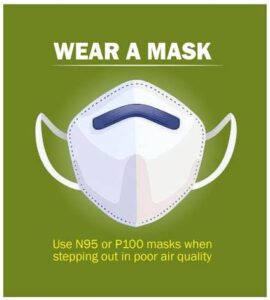
Masks such as N95 and KN95 respirators are specifically designed to filter fine airborne particles. Unlike ordinary cloth masks, these respirators can significantly reduce the amount of PM2.5 and other harmful particles that reach the respiratory system when properly fitted.
A mask should fit snugly around the nose and mouth without major gaps along the edges. Even the most effective filter material cannot provide adequate protection if polluted air can enter through openings around the mask.
Practical Steps to Reduce Exposure
When AQI levels become severe, the following measures can help lower your exposure to harmful pollutants:
- Check AQI updates before planning outdoor activities
- Keep windows and doors closed during peak pollution periods
- Use HEPA-filter air purifiers indoors
- Avoid strenuous outdoor exercise
- Wear a properly fitted N95 or KN95 mask outdoors
- Stay hydrated throughout the day
- Follow prescribed treatment plans for respiratory or heart conditions
Taking these practical steps consistently can significantly reduce the health risks associated with severe air pollution.
Monitor AQI Levels and Plan Ahead
Awareness is one of the most powerful tools for protecting yourself from air pollution. Air quality can change throughout the day depending on weather conditions, traffic density, industrial emissions, and seasonal factors. Monitoring AQI levels regularly allows individuals to make informed decisions about their activities and exposure.
Modern air quality platforms provide real-time AQI readings, pollutant-specific information, forecasts, and health recommendations. Using these tools can help you anticipate severe pollution events and prepare accordingly rather than reacting after symptoms begin to appear.
By making AQI monitoring part of your daily routine, you can better protect yourself, your family, and vulnerable members of your community during periods of poor air quality.
Conclusion
Severe AQI days present significant health challenges, but informed decisions and practical precautions can greatly reduce their impact. Understanding air quality conditions, limiting outdoor exposure, improving indoor air quality, and using appropriate protective equipment are all essential strategies for staying safe during pollution events.
As air quality concerns continue to affect cities around the world, individuals who stay informed and take preventive measures will be better equipped to protect their health. Even small changes in daily habits can make a meaningful difference, helping reduce exposure to harmful pollutants and promoting long-term respiratory and cardiovascular well-being.