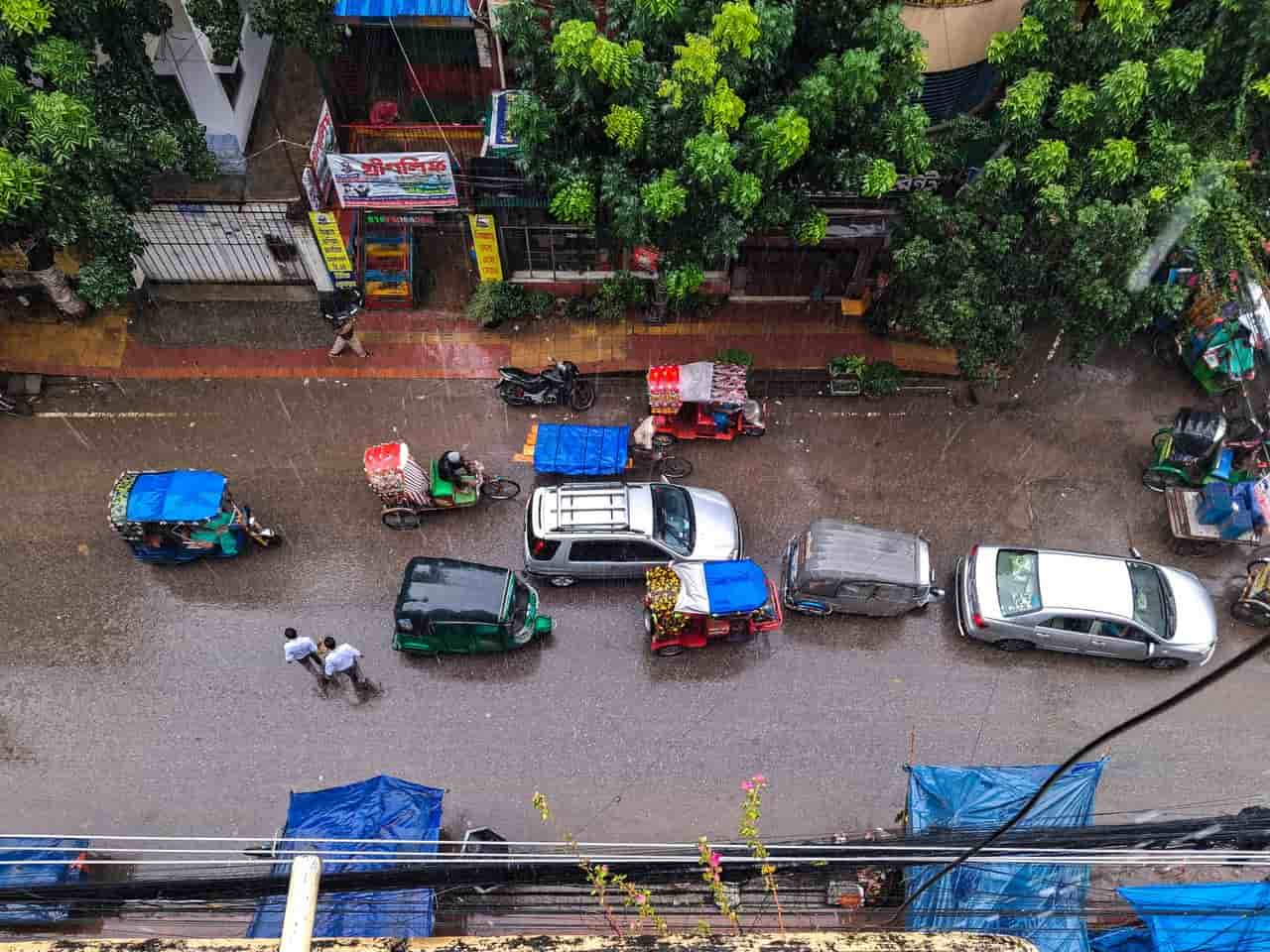
If you regularly check the Air Quality Index (AQI), you may have noticed a clear pattern: air quality often improves during the monsoon season and deteriorates significantly during winter. In cities like Delhi, Mumbai, Kolkata, and many other urban centers, AQI readings can shift dramatically between seasons.
But why does this happen?
The answer lies in a combination of weather conditions, atmospheric behavior, and pollution sources. Understanding these seasonal changes can help people better interpret AQI readings and take appropriate precautions to protect their health.
What Is AQI?
The Air Quality Index (AQI) is a standardized measure used to indicate how polluted the air is. It takes into account major pollutants such as:
- PM2.5
- PM10
- Nitrogen Dioxide (NO₂)
- Sulfur Dioxide (SO₂)
- Carbon Monoxide (CO)
- Ground-Level Ozone (O₃)
A lower AQI indicates cleaner air, while a higher AQI suggests greater health risks.
Why AQI Improves During the Monsoon
The monsoon season acts like a natural air-cleaning system. Several environmental factors work together to reduce pollution levels.
1. Rain Washes Pollutants Out of the Air
One of the biggest reasons for better AQI during monsoon is rainfall.
When it rains, water droplets capture dust, smoke particles, pollen, and other airborne pollutants, pulling them to the ground. This process, known as wet deposition, significantly reduces concentrations of PM2.5 and PM10.
After heavy rainfall, AQI levels often improve within hours because much of the particulate pollution has been removed from the atmosphere.
2. Strong Winds Help Disperse Pollution
Monsoon weather typically brings stronger winds and improved air circulation.
These winds prevent pollutants from accumulating over cities and help carry them away from densely populated areas. Better ventilation means cleaner air and lower AQI values.
3. Increased Humidity Reduces Dust Pollution
Dust from roads, construction sites, and open land is a major contributor to urban air pollution.
During the monsoon, moisture keeps dust particles settled on the ground, reducing their ability to become airborne. As a result, cities experience lower levels of particulate matter.
4. Cooler Surface Temperatures Improve Air Mixing
Cloud cover and rainfall often moderate temperatures during the monsoon season. Combined with wind activity, this improves atmospheric mixing and reduces pollutant concentration near ground level.
Why AQI Gets Worse During Winter
While monsoon conditions help remove pollutants, winter creates the opposite effect.
1. Temperature Inversion Traps Pollution
Winter pollution is heavily influenced by a phenomenon called temperature inversion.
Normally, warm air rises and carries pollutants upward. During winter, a layer of warmer air can sit above cooler air near the ground, acting like a lid.
This prevents pollutants from dispersing and causes them to accumulate close to where people live and breathe.
2. Lower Wind Speeds Increase Pollution Buildup
Winter often brings calmer weather conditions and weaker winds.
Without sufficient airflow, pollutants from vehicles, industries, construction activities, and household emissions remain concentrated over urban areas, causing AQI levels to rise.
3. Increased Emissions During Winter
In many regions, winter is associated with additional pollution sources, including:
- Biomass burning
- Agricultural residue burning
- Wood and coal heating
- Festival-related fireworks
- Increased energy consumption
These activities release large amounts of particulate matter and harmful gases into the atmosphere.
4. Fog and High Humidity Can Worsen Air Quality
Winter fog often combines with pollutants to create dense smog.
Fine particles absorb moisture from the air, increasing their size and concentration. This leads to reduced visibility and higher AQI readings, especially in northern India.
Delhi: A Perfect Example of Seasonal AQI Changes
Delhi’s air quality clearly demonstrates the difference between monsoon and winter conditions.
During the monsoon, AQI frequently falls into the satisfactory or moderate categories due to rainfall and stronger winds.
In winter, however, AQI can quickly reach poor, very poor, or even severe levels because of:
- Temperature inversions
- Vehicle emissions
- Industrial pollution
- Crop residue burning in nearby states
- Reduced atmospheric dispersion
This seasonal cycle repeats almost every year, making winter the most challenging period for air quality management.
Health Impacts of Winter Pollution
Poor winter AQI can have serious health consequences.
Exposure to high levels of PM2.5 and PM10 may increase the risk of:
- Asthma attacks
- Respiratory infections
- Chronic lung diseases
- Heart disease
- Eye and throat irritation
- Reduced lung function in children
According to the World Health Organization (WHO), long-term exposure to air pollution remains one of the leading environmental health risks worldwide.
How to Stay Safe During Poor AQI Periods
When winter AQI rises, consider these precautions:
- Monitor daily AQI levels.
- Limit outdoor activities during severe pollution events.
- Use N95 masks when necessary.
- Keep windows closed during high-pollution periods.
- Use indoor air purifiers if available.
- Avoid outdoor exercise when AQI is unhealthy.
Conclusion
The reason AQI is better during the monsoon and worse during winter comes down to weather and atmospheric conditions. Rainfall, strong winds, and improved air circulation help remove pollutants during the monsoon, while winter’s temperature inversions, low wind speeds, and increased emissions trap pollution near the ground.
Understanding these seasonal patterns helps explain why air quality can change so dramatically throughout the year. By monitoring AQI regularly and taking appropriate precautions, individuals can better protect themselves from the harmful effects of air pollution, especially during the winter months when risks are at their highest.